
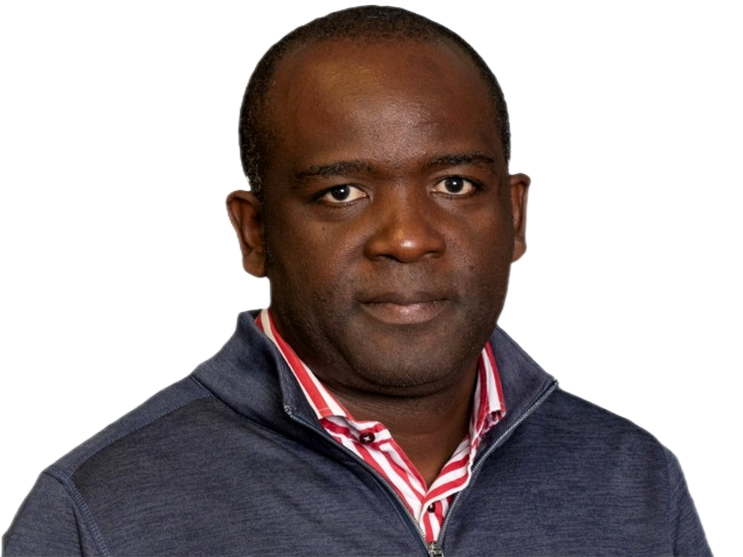
Southern perspectives on the aid funding crisis: Victor Odero (part II)
This is the second part of a conversation with my former colleague Victor Odero. We continue to discuss how the aid sector can respond to the

(December 20, 2025)
Since my last blog post a few months ago, I’ve been hoping that the funding crisis in the aid sector would start to slow down. Instead, its impact on humanitarian and development agencies seems to intensify, hitting local and national organisations the hardest.
My friend and former colleague Mary Akugizibwe, founder of the Uganda-based Global Refugee Initiatives, or GRI, is precisely in this situation. Since its establishment in 2017, GRI has built schools for more than 3,000 children and provided healthcare, livelihoods and other support to over ten thousand displaced people and their host communities. I wrote more about their work here. But their last grants are coming to an end this month and there is no new funding in sight.
This is the second part of a conversation with my former colleague Victor Odero. We continue to discuss how the aid sector can respond to the

Resuming blogging after completing my PhD studies, I find myself confronted with a deep crisis in the aid sector. The dismantling of US foreign aid, coupled with severe funding cuts by major European donors, is an unprecedented blow to international cooperation. Without a doubt, the current situation is a cause of major concern for the

Director of the Akiba Uhaki Foundation, or East African Human Rights and Social Justice Fund, based in Nairobi, Kenya. Ezra is also a Mason Fellow of the Kennedy School of Government at Harvard University and an alumnus of the Kellogg International Leadership Program. He has already contributed to this blog here. Here is a short

A few months ago, I interviewed Abdul Muheet Chowdhary from the South Centre to discuss the ongoing negotiations on a landmark United Nations tax agreement that is in the making. If approved by enough Member States, this global agreement – also called the UN Framework Convention on International Tax Cooperation, or UN Tax Convention in
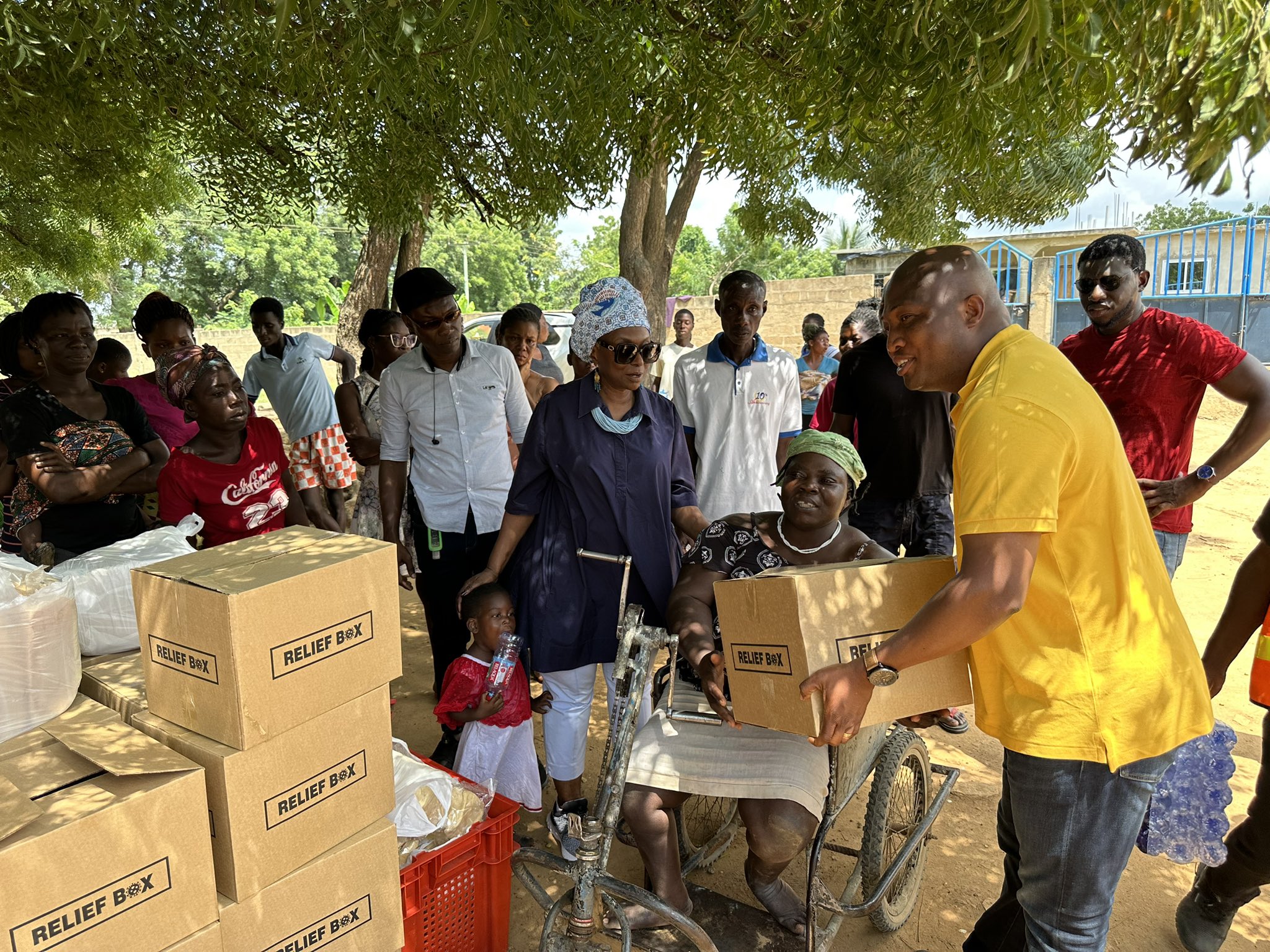
Vitalice Meja (or simply Meja, as he likes to be called) is the Executive Director of Reality of Aid Africa, a pan-African civil society initiative to contribute to more effective development cooperation and international aid. Founded in 2000, Reality of Aid Africa is part of the global Reality of Aid Network. I have collaborated with

Civil society estimates that every year, USD 312 billion are lost in unpaid corporate taxes around the world. By using legal loopholes, many companies avoid paying their dues – often to Southern countries that host their operations and provide cheap labour. This happens because the governments of those countries are unable to enforce their fiscal
| M | T | W | T | F | S | S |
|---|---|---|---|---|---|---|
| 1 | 2 | 3 | 4 | |||
| 5 | 6 | 7 | 8 | 9 | 10 | 11 |
| 12 | 13 | 14 | 15 | 16 | 17 | 18 |
| 19 | 20 | 21 | 22 | 23 | 24 | 25 |
| 26 | 27 | 28 | 29 | 30 | 31 | |
Create a website and earn with Altervista - Disclaimer - Report Abuse - Privacy Policy - Customize advertising tracking